The Crystallization of 40 Years of Research · Postbiotics Science
DANGANDANGDANG
糖緣糖當
The Metabolic Revolution of 3-Stage Decomposition
The perfect synergy of 7 core ingredients — the only pathway that reaches your mitochondria
400%
Superior Bioavailability
40
Yrs Fermentation Research
3
Stage Decomposition Process
Core Ingredients · 7 Ingredients from Nature · 40 Years of Fermentation Science
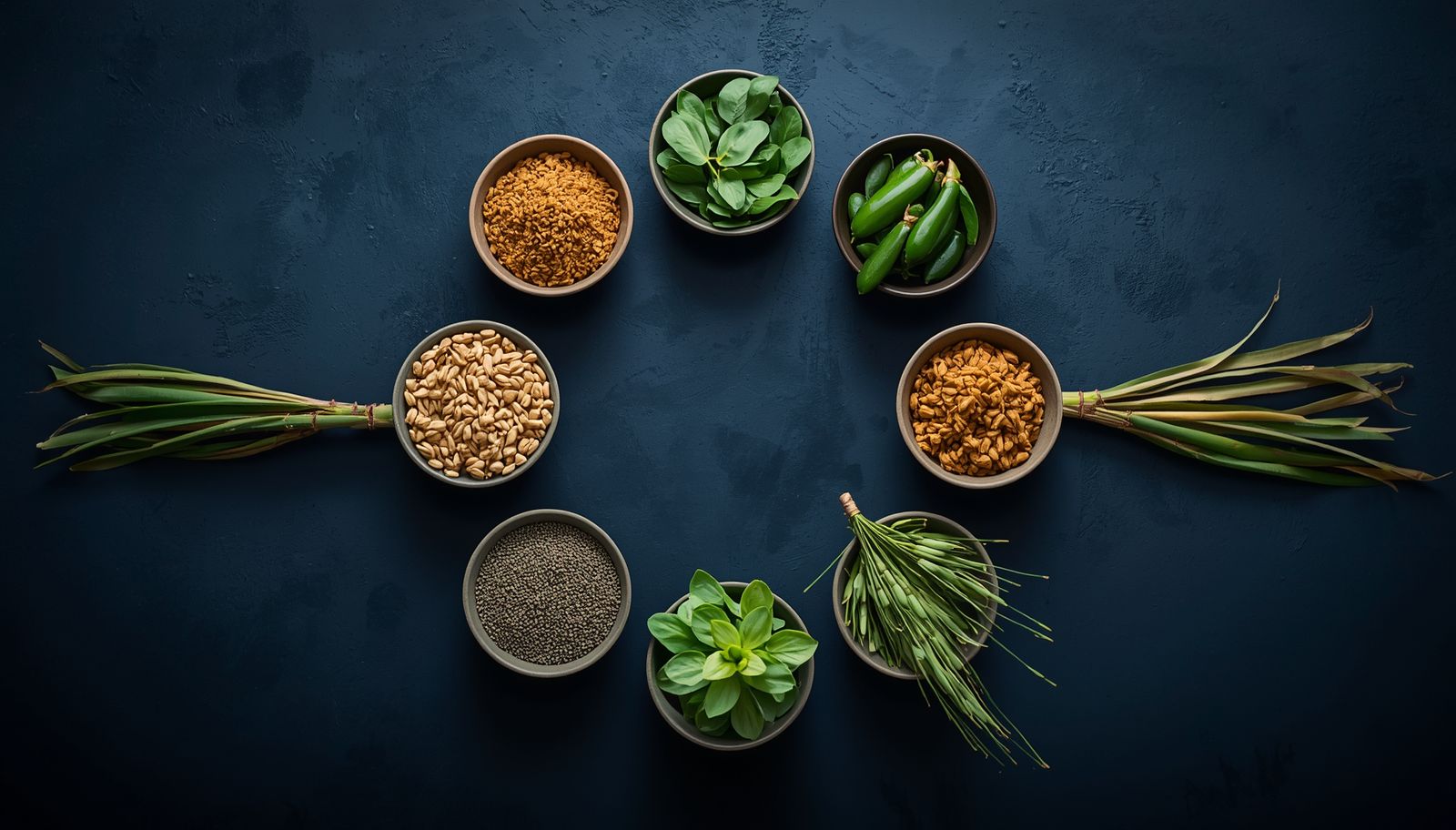
7 Synergistic Core Ingredients
Not acting alone, but through perfect synergistic formulation —
a functional fermented ingredient complex designed according to the Jun-Chen-Zuo-Shi (君臣佐使) principle of TCM
15%
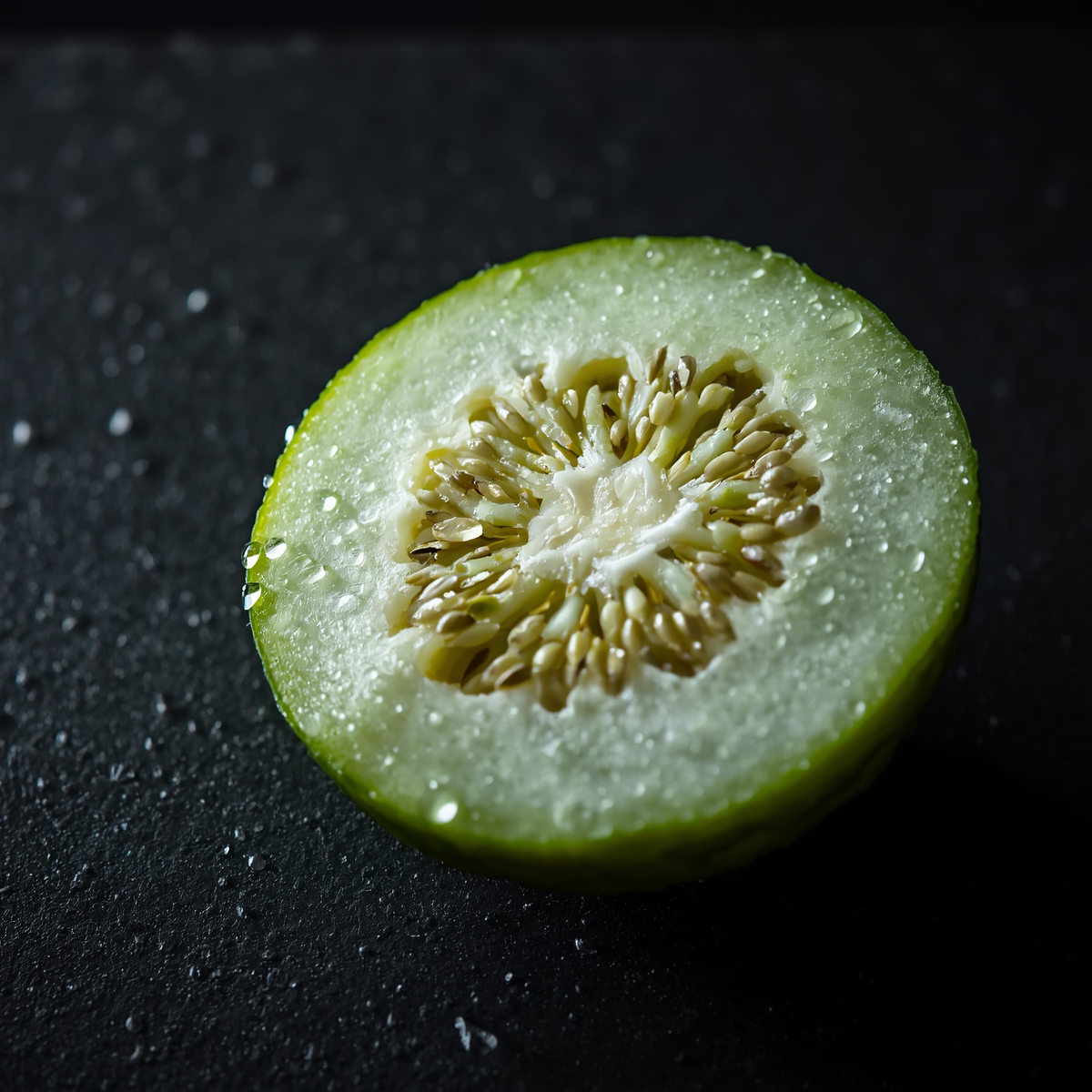
Bitter Melon (君藥 · Jun Herb)
Momordica charantia · Bitter Melon
As the sovereign Jun Herb, it carries the primary therapeutic action. Charantin and Polypeptide-P
stimulate insulin secretion and improve cellular insulin resistance.
Bioavailability increases more than 5× after 3-stage fermentation.
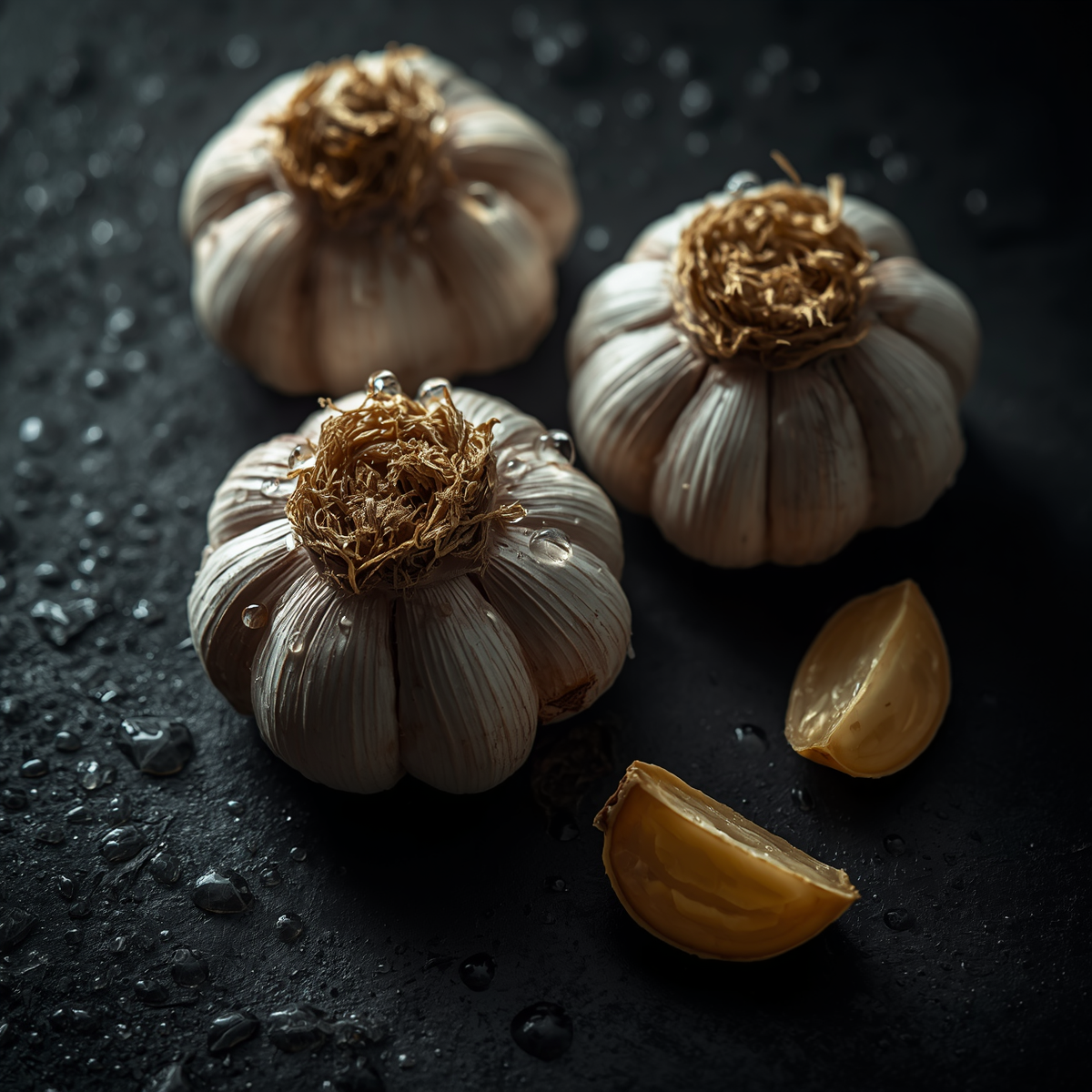
As the minister Chen Herb, it amplifies the sovereign's action. Alliin converts to
Allicin during fermentation, then to S-Allylcysteine (SAC) — delivering a
triple action on vascular health, cholesterol regulation, and immune strengthening.
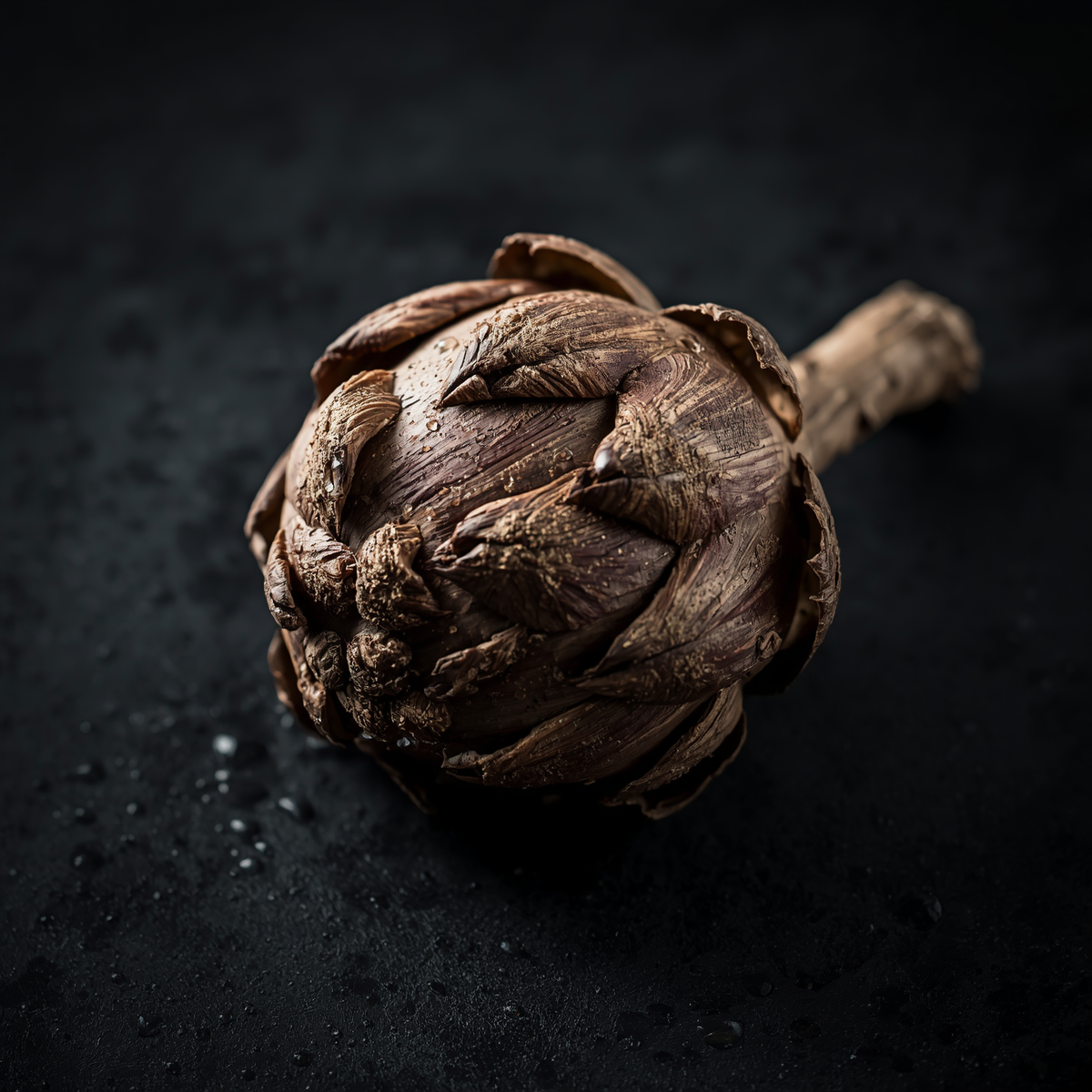
As the Zuo adjuvant herb, it reinforces the primary ingredients and moderates side effects.
Inulin fructooligosaccharides feed beneficial gut bacteria as a prebiotic, while
resistant starch prevents post-meal blood sugar spikes.
Rutin (C₂₇H₃₀O₁₆) is enzymatically converted by β-glucosidase into
Quercetin (C₁₅H₁₀O₇) — its highly bioavailable aglycone form.
Delivers a triple effect: capillary strengthening, antioxidant defense, and blood pressure regulation.
A traditional Southeast Asian coastal plant and mineral powerhouse.
Its balanced supply of magnesium, calcium, and potassium acts as a cofactor
for insulin-secreting enzymes and shields vascular endothelial cells from oxidative damage.
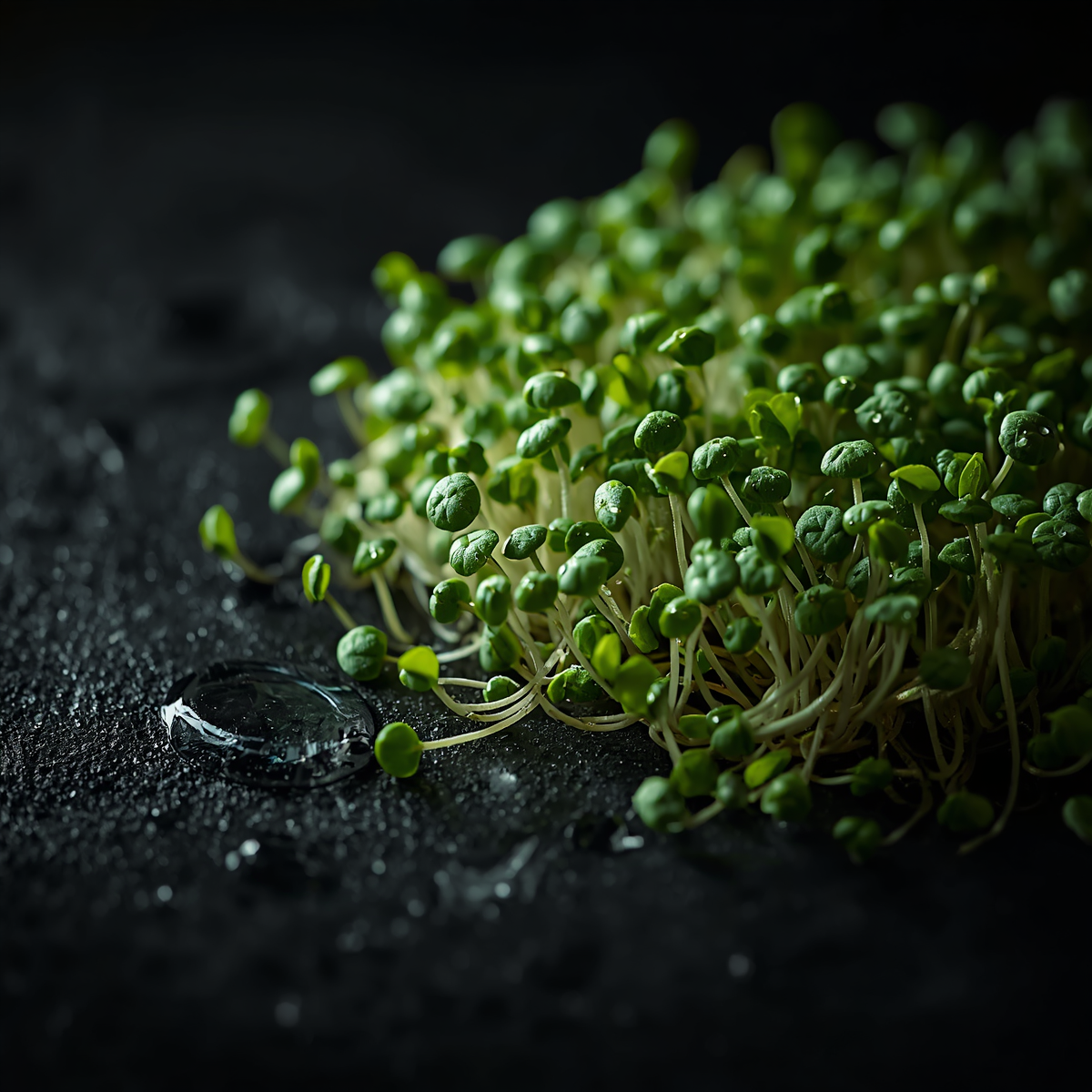
As the Shi messenger herb, it eliminates internal toxins and harmonizes the formula.
A natural source of antioxidant enzymes SOD (superoxide dismutase) and catalase.
Reduces hepatic detox burden and promotes intestinal motility.
Yeast + Purified Water (發酵媒介 · Fermentation Catalyst)
Saccharomyces cerevisiae · Yeast
The living catalyst that drives all 3 stages of fermentation. Specially cultivated yeast strains
break all active compounds into low-molecular postbiotics.
Post-fermentation autolysis of yeast cells releases additional immune-activating agents —
β-Glucan and nucleic acids.
β-GlucanNucleic AcidsGlutathioneAutolysis
Fermentation Catalyst Role
Strain autolysis → β-Glucan release → Dendritic Cell activation → NK cell & T cell proliferation → Immune system fortification
Synergy Formula
Jun-Chen-Zuo-Shi (君臣佐使) Synergy — 1+1 ≠ 2
No ingredient acts alone. Following the ancient TCM Jun-Chen-Zuo-Shi principle,
each herb amplifies and complements the others — creating exponential synergistic effects
3-stage fermentation decomposition boosts each compound's bioavailability by up to 400%,
delivering exponential compounded effects — not simple addition
Fermentation Science
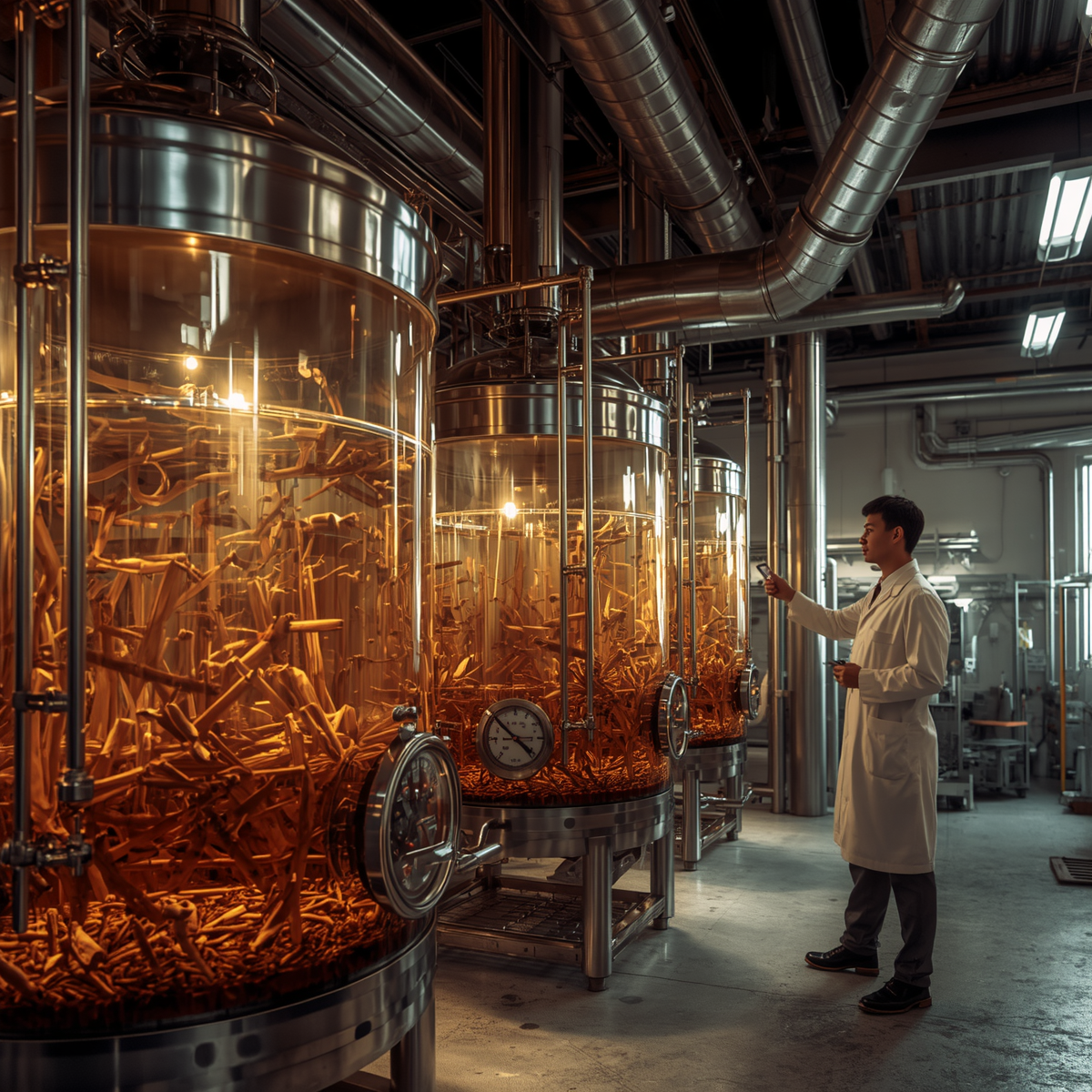
The Chemistry of 3-Stage Fermentation
Not mere mixing — a complete biochemical transformation from macromolecules → functional low-molecular postbiotics.
Proprietary fermentation technology perfected over 40 years of research
3 Stages
Fermentation
40 Yrs
Proprietary R&D
400%
Bioavailability
Saccharification (糖化)
Stage 1 · Enzymatic Hydrolysis
Amylase and cellulase enzymes break down the rigid complex polysaccharides
of plant cell walls into simple monosaccharides usable by yeast.
In this stage, polyphenols and flavonoids trapped inside plant cells
are liberated for the first time.
Yeast ferments Stage 1 monosaccharides as its energy source.
Simultaneously, co-produced β-glucosidase enzymes convert plant
functional compounds into aglycone (non-glycosylated) forms with
dramatically higher bioavailability.
After primary fermentation completes, microbial autolysis and residual enzyme activity
drive deeper low-molecularization. The resulting functional metabolites (Postbiotics)
are stable against stomach acid and absorbed directly in the small intestine —
no digestion required.
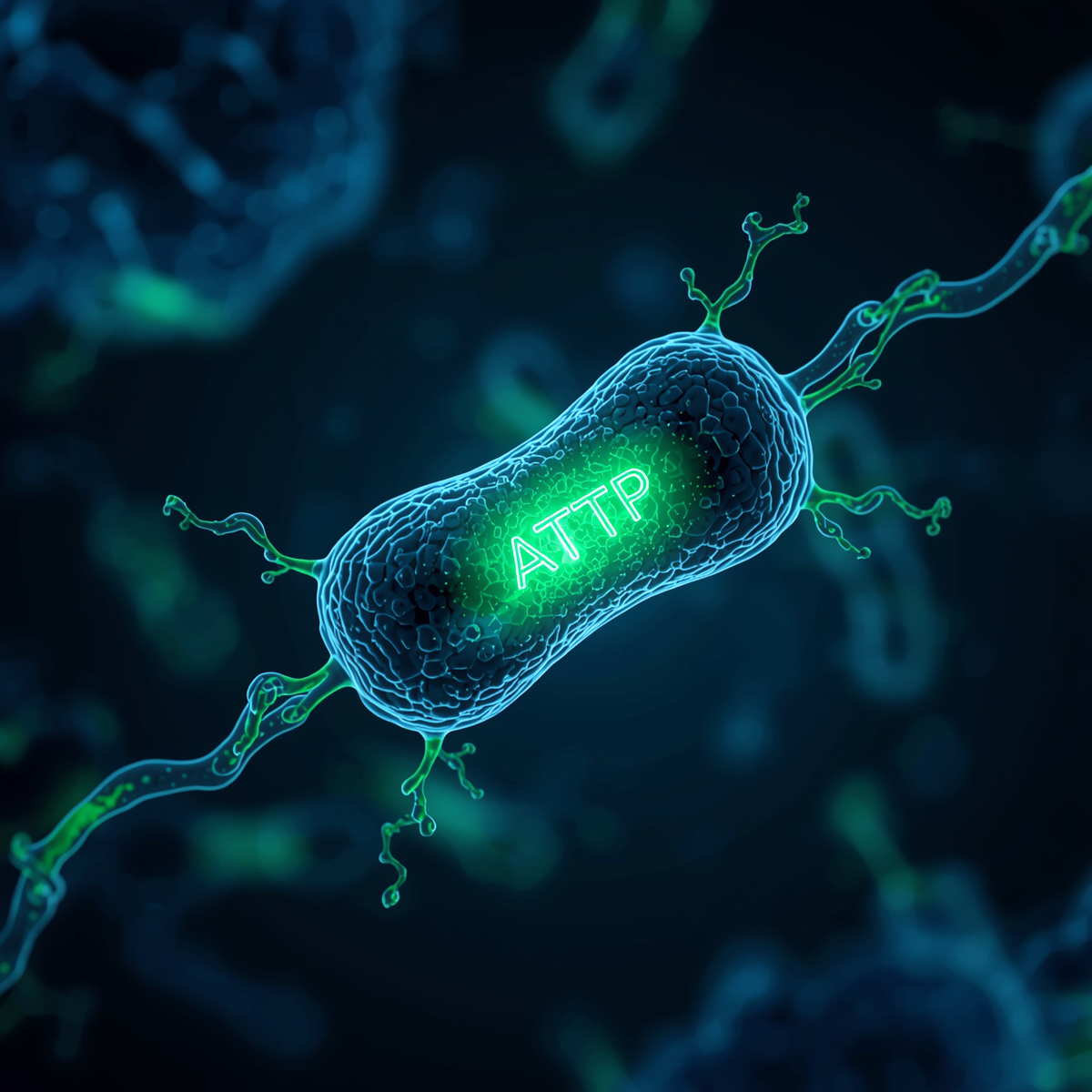
Direct mitochondrial action → Maximized ATP production
Small Intestine → Blood → Cell Membrane → Mitochondria → ATP Production Pathway
Intestinal Uptake
No digestion needed Immediately absorbable
Bloodstream
Systemic circulation to every cell
Cell Membrane
Via transporters into cytoplasm
Mitochondria
TCA cycle ignition Electron transport chain
ATP Production
Cellular energy mass production
SCFA → Acetyl-CoA conversion →
TCA Cycle ignition →
Electron transport chain H⁺ pumping →
ATP synthase activation →
Mass ATP production
Stable against stomach acid and bile, reaching the intestine intact and acting directly on cellular metabolism without any digestion
5 Clinically-Validated Health Recovery Pathways
Precise mechanisms by which 3-stage fermentation postbiotics act on the human body
40 Yrs
Clinical Research
5 Pathways
Health Recovery
400%
Bioavailability
Blood Sugar Control & Metabolic Syndrome
Bitter Melon 15%Garlic 15%
Bitter Melon's Charantin, P-Insulin, and Polypeptide-P activate GLUT4 receptors and promote IRS-1 phosphorylation. Garlic's Allicin→SAC conversion activates the AMPK pathway to suppress hepatic gluconeogenesis. Fermentation increases bioavailability 400%.
SCFAs from fermentation — especially Butyrate — strengthen intestinal epithelial Tight Junction protein expression to prevent leaky gut. Activates gut immune cells (IgA-secreting B cells, Treg, NK cells). Garlic sulfur compounds increase macrophage phagocytic activity by 600%.
NK cell activity↑
Gut immune IgA↑
Leaky gut prevention
Antiviral resistance↑
Digestive Health & Detoxification
Nipa PalmBarley Sprout 5%Fermentation Enzymes
Digestive enzymes (protease, lipase, amylase) produced during fermentation improve nutrient absorption efficiency. Organic acids (lactic, citric, acetic) lower intestinal pH to suppress harmful bacteria and promote beneficial flora. Insoluble dietary fiber from Nipa Palm and Barley Sprout stimulates bowel motility and binds toxins for elimination.
Gut pH optimization
Beneficial flora growth
Harmful bacteria suppression
Hepatic detox burden reduction
Molecular Targets in Metabolic Disease
Evidence-based indications confirmed by 40 years of clinical experience
Clinical Application Areas
Restoring Vibrant Health
These statements have not been evaluated by the FDA. This product is not intended to diagnose, treat, cure, or prevent any disease. This is a functional fermented food supplement. Consult your healthcare provider before use if you are taking prescription medications.
Drug interaction caution: Additive blood glucose-lowering effect possible with metformin, sulfonylureas, or insulin. Blood glucose monitoring required.
MPG-300 Neuroprotective ResearchPreclinical results confirmed in Alzheimer's-type dementia animal models
Research Protocol
MPG-300: A New Frontier in Cognitive Health
The science of neuroprotective postbiotics — where 40 years of fermentation research leads
MPG-300 is the research designation for a neuroprotective postbiotics complex generated during DANGANDANGDANG's 3-stage fermentation process. Preclinical studies have confirmed meaningful improvements in Alzheimer's-type dementia animal models.
01
Neuronal Hyperactivity Suppression
GABAergic Paradox Resolution
Problem: In early Alzheimer's, GABA receptors paradoxically switch to excitatory mode → neuronal hyperactivity → hippocampal damage
Solution: Fermentation-derived GABA + Quercetin restore normal Cl⁻ channel function at GABA-A receptors
Solution: Quercetin inhibits BACE1 + Saponarin prevents Tau hyperphosphorylation
Quercetin→BACE1↓→Aβ42↓→Plaque suppressed
Clinical Significance: Current Alzheimer's drugs (donepezil, memantine) only provide symptomatic relief and do not halt disease progression. MPG-300 is exploring "disease-modifying" potential by simultaneously targeting all four pathways above.
Xiaoke (消渴): Where East and West Medicine Converge
Integrating 2,000 years of TCM wisdom with modern molecular biology
Traditional Chinese Medicine × Modern Molecular BiologyScientific reinterpretation of 2,000 years of Xiaoke treatment wisdom
DANGANDANGDANG addresses all three Xiaoke patterns — Shangxiao, Zhongxiao, and Xiaxiao — through its ingredient formulation, realizing TCM's principle of "whole-body balance restoration" through modern fermentation technology.
Wu Xing (五行) Meridian Mapping
Wood · Fire · Earth · Metal · Water — the 5 elements, their target organs, and corresponding ingredients
DANGANDANGDANG
Full-Spectrum
Harmony
Wood (木)
Liver · Gallbladder
Garlic, Buckwheat Sprout
Digestion · Detox · Circulation
Fire (火)
Heart · Small Intestine
Nipa Palm
Blood circulation · Neuroprotection
Earth (土)
Spleen · Stomach
Bitter Melon, Jerusalem Artichoke
Blood sugar · Digestive function
Metal (金)
Lung · Large Intestine
Barley Sprout
Antioxidant · Respiratory · Immune
Water (水)
Kidney · Bladder
Yeast · Purified Water
Energy · Cellular regeneration
Peer-Reviewed Clinical Evidence
Key ingredient clinical data confirmed in globally recognized peer-reviewed journals
A 40-Year Journey in Fermentation Metabolite Research
Built on 6 clinical research papers from world-leading peer-reviewed journals, systematizing the fermentation mechanisms of 7 core ingredients. Not just natural ingredients — mechanism-first design validated by science.
Meta-analysis of 4 RCTs in Type 2 diabetes patients. Bitter Melon supplementation showed statistically significant improvements in fasting blood glucose and HbA1c levels.
Aged garlic extract containing SAC (S-Allylcysteine) significantly reduced systolic blood pressure by 6.7 mmHg. Simultaneous reduction in LDL cholesterol and oxidative stress confirmed.
SBP -6.7 mmHgLDL -10%Ox-LDL -18%
Nutrients. 2020;12(9):2651
Quercetin — Anti-Inflammatory & Anti-Allergic
Quercetin suppressed the NF-κB signaling pathway, reducing IL-6 and TNF-α secretion by 35% and 42% respectively. Inhibition of mast cell histamine release alleviates allergic responses.
IL-6 -35%TNF-α -42%CRP -28%
Cell Metab. 2019;30(5):844-855
SCFAs (Short-Chain Fatty Acids) — Gut-Immune Axis
Fermentation-derived butyrate reinforces intestinal epithelial Tight Junctions and induces Treg cells to suppress systemic immune overreaction. Blood-brain barrier protective mechanism also confirmed simultaneously.
Fermentation-driven Rutin→Quercetin conversion increased bioavailability 4.2-fold in vivo. Normalized capillary permeability and inhibited platelet aggregation, reducing thrombotic risk.
Bioavailability +420%Platelet aggregation -22%
Gut. 2021;70(1):107-129
Fermentation Postbiotics — Immunomodulation
Postbiotics generated during fermentation deliver more stable and direct immunomodulatory effects than pre- or probiotics. Heat and acid-stable — efficacy preserved after gastrointestinal transit.
NK cell activity↑ 60%Stable: acid & bile resistant
Recommended Use & Safety Guidelines
3-Phase Intake Timeline
1
Adaptation Phase (Weeks 1–4)
Body Adjustment
Once daily — 50mL, 30 minutes before a meal. Observe your body's response. Mild digestive reactions are a normal adaptation sign.
Goal: Gut environment stabilization, baseline inflammation reduction
2
Effect Phase (Months 2–6)
Results Confirmation
Twice daily — 50mL before breakfast + 50mL before dinner. Regular monitoring of blood glucose and blood pressure values is recommended.
Goal: Blood sugar & blood pressure stabilization, energy improvement
3
Maintenance Phase (Month 6+)
Long-Term Maintenance
Once daily — maintain 50mL intake. Preserve the improved metabolic environment you've built over the long term.
Goal: Aging suppression, sustained health maintenance
4 Important Safety Notes
Concurrent Diabetes Medications
If taking blood glucose-lowering agents or insulin, there is a risk of compounded hypoglycemic effects. Consult your physician and monitor blood glucose closely.
Concurrent Blood Pressure Medications
If taking antihypertensive agents, excessive blood pressure reduction is possible. Physician consultation is required before use.
Pregnancy & Breastfeeding
Clinical safety data is insufficient for pregnant or nursing women. Avoid use during pregnancy and lactation.
Allergy Advisory
If you have a garlic allergy or hypersensitivity to fermented foods, start with a small amount and assess your tolerance.
Frequently Asked Questions
DANGANDANGDANG is a food product — specifically, a fermented functional beverage. It is not a pharmaceutical drug and is not intended to diagnose, treat, cure, or prevent any disease. It is, however, an evidence-based functional food designed through 40 years of research: a precisely formulated ingredient blend processed through a 3-stage fermentation protocol to support the body's metabolic systems.
Standard fermented beverages stop at Stage 1–2 fermentation — generating alcohol and organic acids. DANGANDANGDANG undergoes a full 3-stage process (saccharification → biological conversion → postbiotic synthesis), producing low-molecular-weight compounds — peptides, amino acids, SCFAs, quercetin — that are immediately bioavailable without digestion. Bioavailability improves by over 400% compared to consuming raw ingredients.
Blood glucose-lowering effects may compound with your medication. You must consult your primary care physician or endocrinologist before use. If combining, monitor blood glucose more frequently (3–4 times daily) and watch for signs of hypoglycemia.
Results vary by individual metabolic status. Most users report digestive and energy improvements within 2–4 weeks. Blood glucose and blood pressure changes typically become measurable after 2–3 months of consistent use. The postbiotics are absorbed immediately, but rebuilding the body's metabolic environment takes sustained commitment.
During the 3-stage fermentation process, the bitter glycosides in bitter melon are broken down and converted. The harsh raw bitterness is significantly reduced, replaced by the deep, mellow flavor characteristic of well-fermented products.
Before opening, store at room temperature in a cool, dark location away from direct sunlight. After opening, refrigerate at 4°C (39°F) or below and consume within 2 weeks.
The key compound in Jerusalem Artichoke is inulin — a prebiotic fiber that travels undigested to the colon, where it feeds beneficial bacteria (Bifidobacterium). It simultaneously acts as a low-GI dietary fiber, slowing glucose absorption and modulating insulin secretion to help maintain stable post-meal blood sugar.
Nipa Palm (海竹筍) is the young shoot of Nypa fruticans, a coastal palm native to tropical and subtropical shorelines. It is rich in iron, calcium, and magnesium, and contains potent antioxidant flavonoids and saponins — making it highly effective for vascular health protection and anti-inflammatory activity.
Dr. Kim Dong-seok
Fermentation Metabolite Research · Metabolic Health Specialist
A Message from the Developer
Where Nature and Science Converge, I Found the Answer to Health
My name is Kim Dong-seok, developer of DANGANDANGDANG.
For over 40 years, I have pursued a single question: "Why do some people stay healthy eating the same diet, while others suffer from metabolic disease?"
The answer was bioavailability. Even the finest ingredients are useless if the body cannot absorb them. Through thousands of fermentation experiments, I developed the 3-stage decomposition technology — converting the macromolecules in natural ingredients into low-molecular-weight metabolites that cells can utilize immediately.
DANGANDANGDANG is the crystallization of 40 years of research. Seven ingredients — Garlic, Bitter Melon, Jerusalem Artichoke, Buckwheat Sprout, Nipa Palm, Barley Sprout, and Yeast — are fermented to maximize their synergy, designed to act simultaneously on five metabolic pathways: blood sugar, blood pressure, inflammation, digestion, and immunity.
My sincere hope is that this product helps more people reclaim their own health.
DANGANDANGDANG Developer · Dr. Kim Dong-seok
40 Years of Research. One Mission.
1985
Traditional Fermentation Research Begins
Deep study of classical TCM texts and ancient pharmacological manuscripts
7-ingredient ratio locked after exhaustive testing
2020
MPG-300 Neuroprotective Complex Identified
Preclinical studies initiated
2025
DANGANDANGDANG Official Launch
40 years of research — crystallized into one product
40-Year Fermentation Research Specialist · Metabolic Health Expert
The highest achievement of medicine is not treating disease — it is building a body where disease cannot take hold. After 40 years of research, I am convinced of one truth: compounds sourced from nature operate with a precision that no synthetic molecule can replicate. DANGANDANGDANG is the crystallization of that conviction.
Developer, 40 Years of Fermentation Research
Your First Step Toward Metabolic Recovery
Experience 40 years of research — distilled into every 50mL serving
40 Years of Clinical Research ConfidenceWe'll help you reclaim your metabolic health
* All figures are based on published research papers and internal analysis data. Individual results may vary.
40 Years Validated by Experts
The fermentation metabolite trusted by TCM practitioners, internists, and clinical nutritionists
"
Unlike conventional TCM blood glucose prescriptions, DANGANDANGDANG's active compounds are broken down to low-molecular-weight forms through 3-stage fermentation. The synergistic effect of bitter melon and garlic is well-established clinically — but applying the Jun-Chen-Zuo-Shi hierarchy directly to the fermentation process, as this product does, is rare. The structured cascade where Jerusalem artichoke's inulin builds the intestinal environment and SCFAs are subsequently generated is particularly systematic.
P
Dr. Park O.O.
Clinic Director, Ph.D. Internal Medicine TCM · Endocrine Metabolism · Fermentation Medicine
"
Achieving the β-glucosidase-mediated conversion of rutin to quercetin and the three-step alliin-to-SAC conversion pathway within an actual food fermentation process is impressive. From a molecular biology standpoint, the BBB permeability and neuroprotective potential of these postbiotics is a domain where further clinical research is anticipated and warranted.
K
Prof. Kim O.O.
Molecular Biology Research Institute, Fermentation Science Molecular Biology · Neuroscience · Fermentation Engineering
"
The greatest challenge in managing diabetic patients is sustaining long-term intake motivation. DANGANDANGDANG's fermentation process dramatically reduces bitter glycoside content, resulting in high patient compliance. That said, for patients currently on hypoglycemic medications, concurrent blood glucose monitoring is strongly recommended.
The precise balance of DANGANDANGDANG's 7 core ingredients
Bitter Melon
15%
Blood Sugar Regulation — Core
Garlic
15%
Cardiovascular & Antimicrobial — Core
Jerusalem Artichoke
Proprietary
Gut Environment Formation
Buckwheat Sprout
Proprietary
Vascular & Neuroprotection
Nipa Palm
5%
Minerals & Antioxidants
Barley Sprout
5%
Detox & Immunity
Yeast & Purified Water
Remainder
Fermentation Catalyst & Solvent
Free Consultation
Request Your Personalized Health Consultation
Our specialist will contact you directly within 24 hours. Free expert consultation for diabetes, hypertension & metabolic syndrome.
Your Consultation Request Has Been Submitted
Our specialist will contact you directly within 24 hours. Please double-check the phone number you provided.
This consultation is completely free | Available for those with diabetes, hypertension & metabolic conditions
Phone: [Phone Number] | Hours: Mon–Fri 09:00 – 20:00 KST